Marcos Alves
Full-stack developer. I build the product and the infrastructure that keeps it standing.
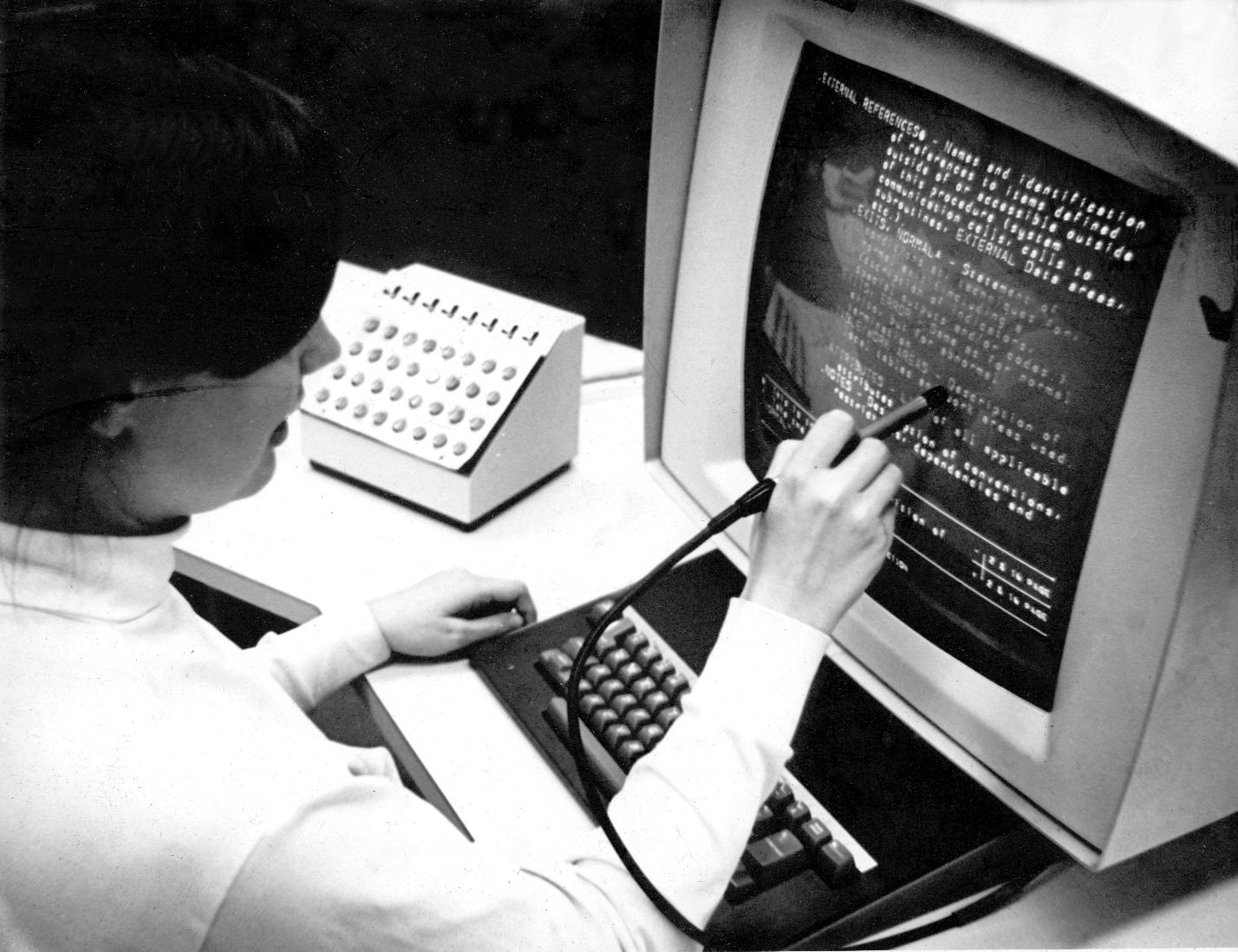
Interface
What people see and touch.
Hypertext Editing System console, Brown University, 1969.
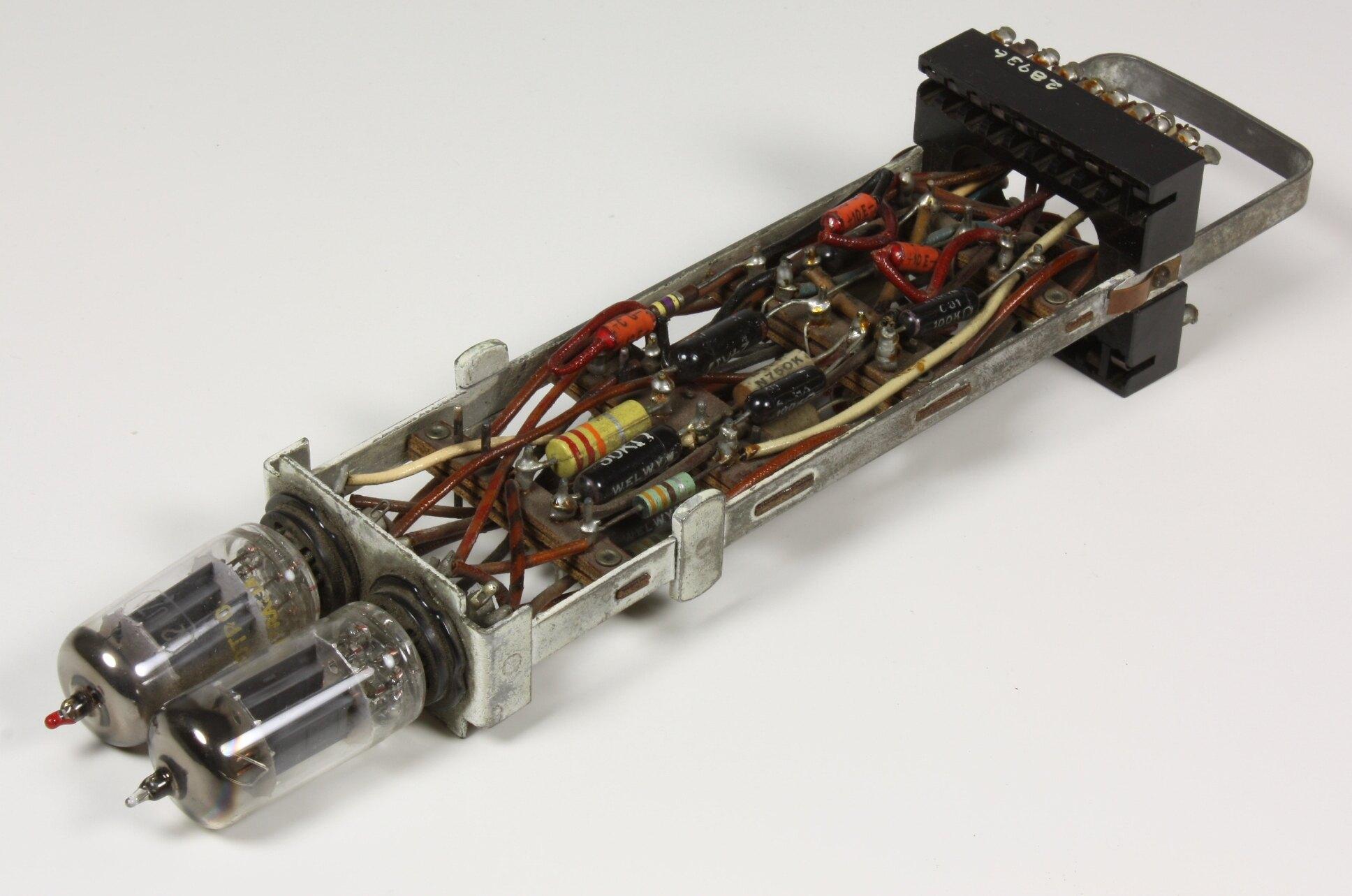
Back-end
APIs, queues and data: the logic nobody sees and everybody feels.
Electronic module from a Powers-Samas punched card computer, 1960s.
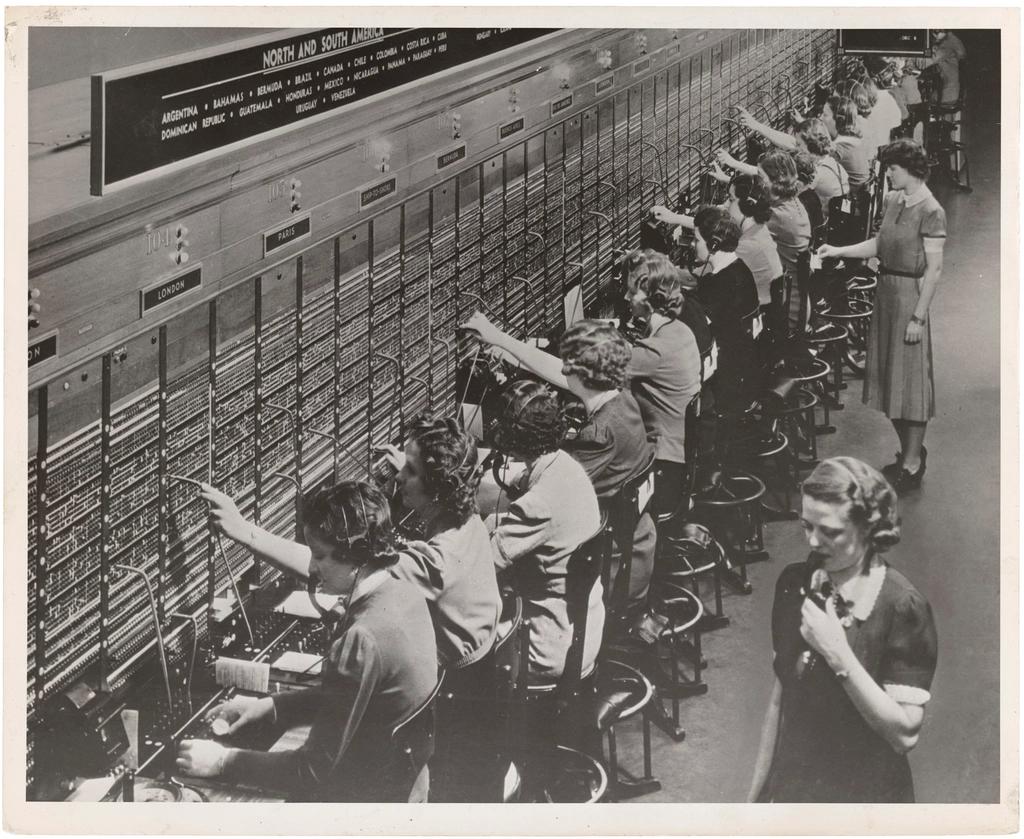
Infrastructure
Everything connected and up, at three in the morning too.
Operators at an international Bell System switchboard, 1940s.
About me
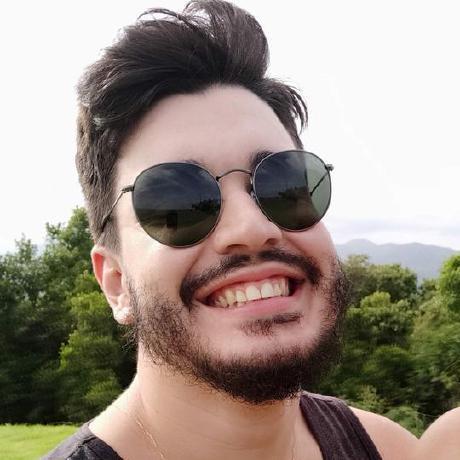
Hi, I'm Marcos. I've been writing software since 2013 and I like both ends of the job: the screen someone touches and the server that holds everything up at night. I talk plainly, document what I do and ship in small pieces, so you see it working early, not only at the end.
What I do
From the first prototype to a system in production, taking care of every layer.
Products from scratch
From prototype to production, with front end, back end and deploy.
APIs and integrations
Payments, messaging and talking to legacy systems.
Cloud and infra
AWS or Google Cloud, with all the infrastructure as code.
Migrations
From servers and VMs to containers and Kubernetes, without stopping operations.
Observability
Metrics, logs and alerts, so you know something broke before your users do.
Today, November 14
- 09:00Ana SouzaFollow-up
- 09:30Bruno LimaFirst visit
- 10:15Carla DiasExam
- 11:00Diego RochaFollow-up
Booking a slot: Interface
How I work
From the first email to a system in production, these are the things I bring to every project.
What doesn't change
Conversation before code
I understand the problem and the business before proposing a solution.
Small deliveries, working early
You see the system running in days, not only at the end.
Infrastructure as code
From day one, with no hidden manual configuration.
Automated deploys and monitoring
Every change ships on its own, and I know when something breaks.
Everything documented
Decisions, architecture and how to run it, in writing.
Clear agreements from the start
Scope, deadlines and code ownership set in the contract.
Every project has its own plan. This doesn't change.
Tools change every year. The craft of connecting the ends is much older.
Stack
Contact
- soueu@omarcos.dev
- github.com/omarcosfelipea
- linkedin.com/in/omarcosfelipea
- Brazil, UTC−3
- First reply within 1 business day
- Say hiWrite an email to Marcos